RESOURCES
Manufacturing knowledge, minus the sales pitch
Practical guides to choosing manufacturing processes, designing for manufacturability, and getting parts made, written by people who work with these requirements every day. Use what helps, and reach out when you want a second opinion on your project.
- ISO-Certified Partner Network ISO-Certified Partners
- No Order Minimums No Minimums
- Quotes Within 24 Hours 24h Quotes
- Inspection Before Shipment Pre-Ship Inspection
Manufacturing articles and guides

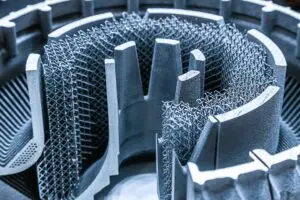
Advantages of 3D Printing
Explore the advantages of 3D printing, from faster prototypes and flexible design changes to complex geometries, custom parts, and low volume production without expensive tooling.
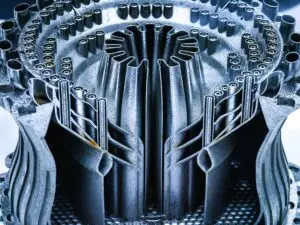
What Is 3D Printing?
Learn how 3D printing builds complex parts layer by layer, explore common processes and materials, and discover when additive manufacturing is the right choice for prototypes and production.
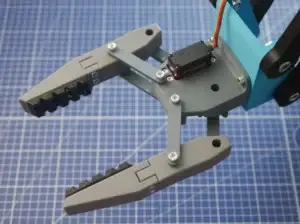
How Industrial 3D Printing Is Being Used in Automation and Robotics
Discover how industrial 3D printing accelerates automation and robotics development through custom end effectors, sensor mounts, cable guides, enclosures, fixtures, and rapid design iteration.
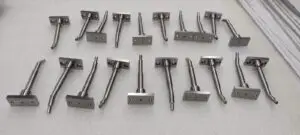
Low-Volume Manufacturing: Best Options for 10–1,000 Parts
Compare the best low-volume manufacturing options for 10 to 1,000 parts, including CNC machining, industrial 3D printing, urethane casting, and aluminum tooling.
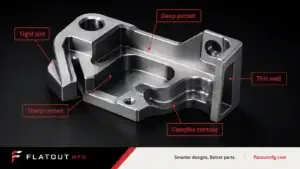
Designing Parts for CNC Machining: 10 Mistakes That Increase Cost
Avoid 10 common CNC machining design mistakes involving deep pockets, tight tolerances, thin walls, threads, materials, setups, and fine details.
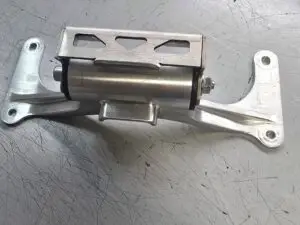
When CNC Machining Beats 3D Printing (And When It Doesn’t)
Should you machine or 3D-print your part? Compare both processes across common applications and learn how material strength, geometry, finish, quantity, and cost influence the right choice.
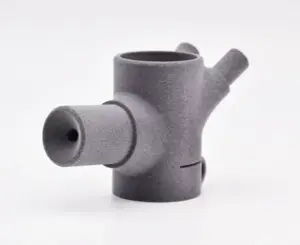
How to Choose the Right Manufacturing Process for Your Prototype
Compare the leading prototype manufacturing processes and learn how quantity, tolerance, surface finish, cost, and lead time can help determine the right option for your part.
FAQ
Questions, answered
Have a question that is not answered here? Contact our engineering team directly and we will get back to you quickly.
What file types do you accept?
We accept major 3D CAD formats, including STEP, IGES, SolidWorks, Parasolid, and STL. PDF and DXF drawings are also helpful for communicating dimensions, tolerances, materials, and finish requirements.
How fast can parts be made?
Timing depends on the process, material, quantity, and complexity of your parts. Quotes are typically provided within 24 hours. Prototype orders may be completed in as little as 1 to 10 business days, while larger production orders may require additional time.
Can you hold tight tolerances?
Yes. We can hold tolerances as tight as ±0.001 inch on critical features when the material, geometry, and manufacturing process allow it. Include a drawing with your CAD files so our engineering team can review each tolerance requirement.
What industries do you serve?
We support customers across automotive, industrial equipment, consumer products, product development, and other industries that require dependable custom parts. Contact us to discuss the requirements for your application.
Do you offer surface finishing services?
Yes. Available finishes include anodizing, powder coating, plating, polishing, and other options based on the material and manufacturing process. Tell us your appearance and performance requirements when requesting a quote.
What happens after I submit a quote request?
Our engineering team reviews your files, material, quantity, tolerances, and finish requirements. We will contact you if we have questions, then provide clear pricing, estimated timing, and the next steps for production.
READY TO BUILD?
Get a quote from a real person, not AI.
Upload your CAD files and project details. Our engineering team reviews manufacturability and typically returns a detailed quote within 24 hours.