What Is 3D Printing?
3D printing, also known as additive manufacturing, is a process that creates physical objects directly from a digital three dimensional model. Instead of cutting material away from a larger block, a 3D printer builds each part one layer at a time.
This approach makes it possible to produce complex shapes, internal features, and customized parts that may be difficult or expensive to manufacture using traditional processes. It is commonly used for prototypes, fixtures, replacement components, and low volume production parts.
The process begins with a digital CAD model. Specialized software divides the model into thin layers and creates instructions for the printer. The machine then deposits, cures, or fuses material according to those instructions.
A typical project follows these steps:
Create the design: The part is designed using CAD software.
Review the model: An engineer checks the geometry, wall thicknesses, tolerances, and material requirements.
Prepare the print: The model is oriented and prepared for the selected printing process.
Build the part: The printer creates the component one layer at a time.
Complete post processing: Supports are removed and the part may be cleaned, polished, painted, coated, or otherwise finished.
Inspect the result: Critical dimensions and visual requirements are checked before shipment.
The proper orientation, material, and printing method can significantly affect strength, appearance, accuracy, cost, and production time.
Common Industrial 3D Printing Processes
Several printing technologies are available, and each offers different advantages.
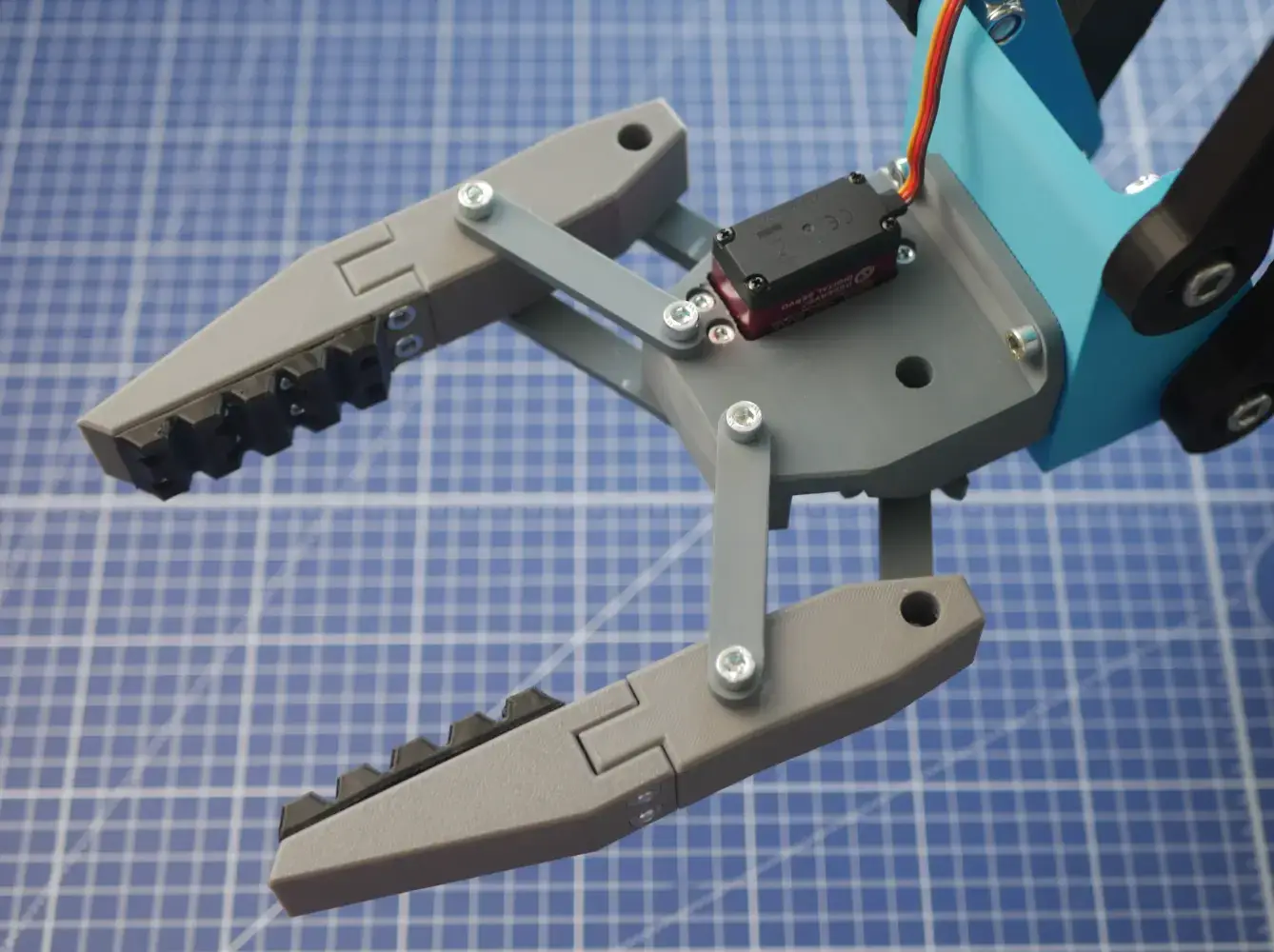
FDM: Fused Deposition Modeling builds parts by depositing melted thermoplastic through a nozzle. It is commonly used for concept models, functional prototypes, fixtures, and larger components.
SLA: Stereolithography uses light to cure liquid resin. It produces detailed parts with smooth surfaces, making it useful for cosmetic prototypes, presentation models, and components with intricate features.
SLS: Selective Laser Sintering uses a laser to fuse powdered polymer. Because the surrounding powder supports the part during printing, SLS can create complex geometries without traditional support structures.
MJF: Multi Jet Fusion produces strong, consistent nylon components with fine detail. It is well suited for functional prototypes, enclosures, clips, brackets, and low volume production.
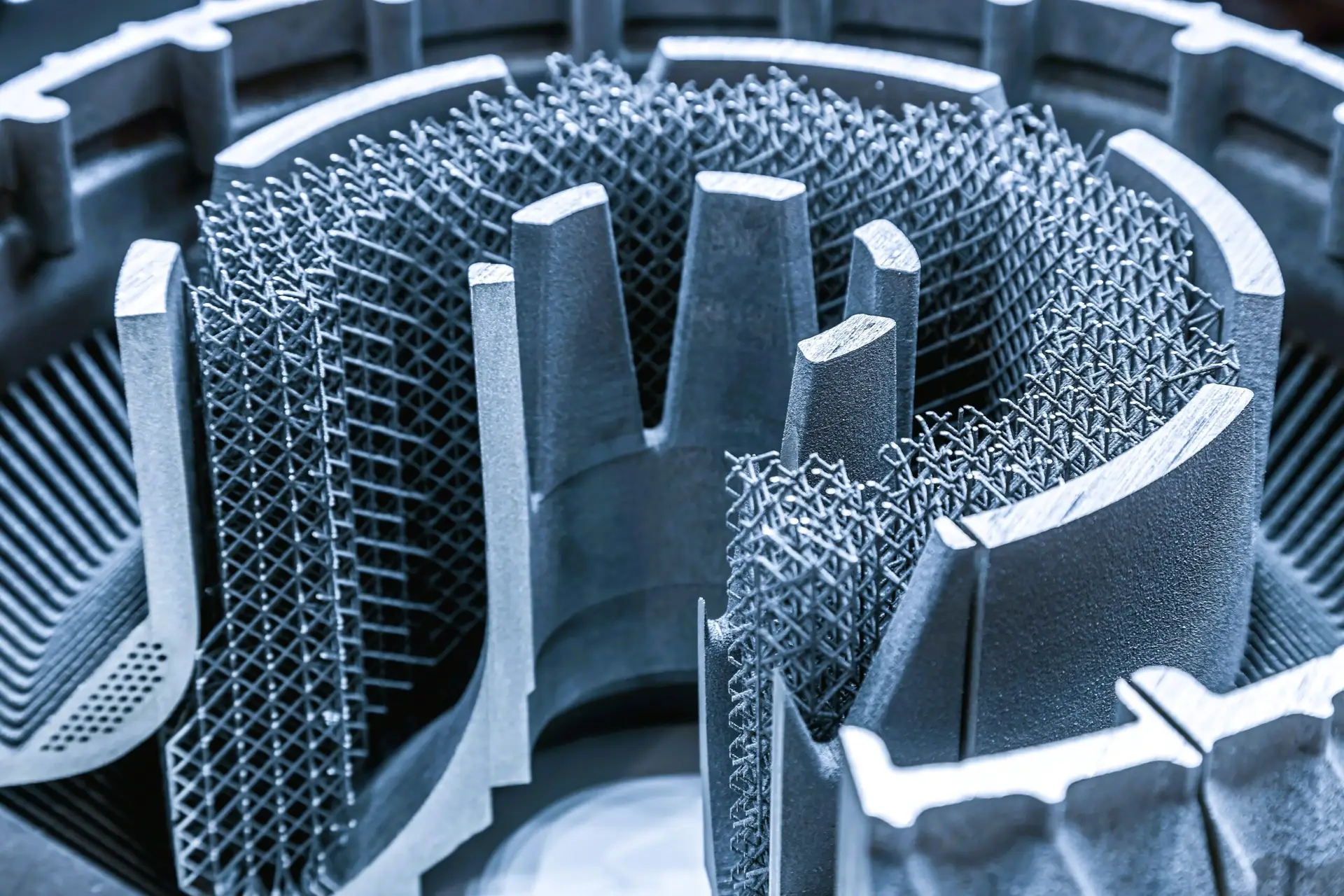
SLM: Selective Laser Melting uses a high powered laser to melt metal powder into dense metal components. It can produce complex parts for demanding automotive, aerospace, medical, and industrial applications.
What Materials Can Be Printed?
Industrial 3D printing supports a growing range of materials, including:
Nylon
ABS
Polycarbonate
TPU and other flexible materials
Photopolymer resins
Glass filled polymers
Carbon fiber reinforced polymers
Aluminum
Stainless steel
Titanium
Specialty metal alloys
The correct material depends on the part’s strength, temperature, chemical resistance, flexibility, surface finish, and operating environment.
Benefits of 3D Printing
Faster Product Development: Parts can often move from CAD to production without custom tooling. This allows design teams to test ideas, identify problems, and make revisions earlier in the development process.
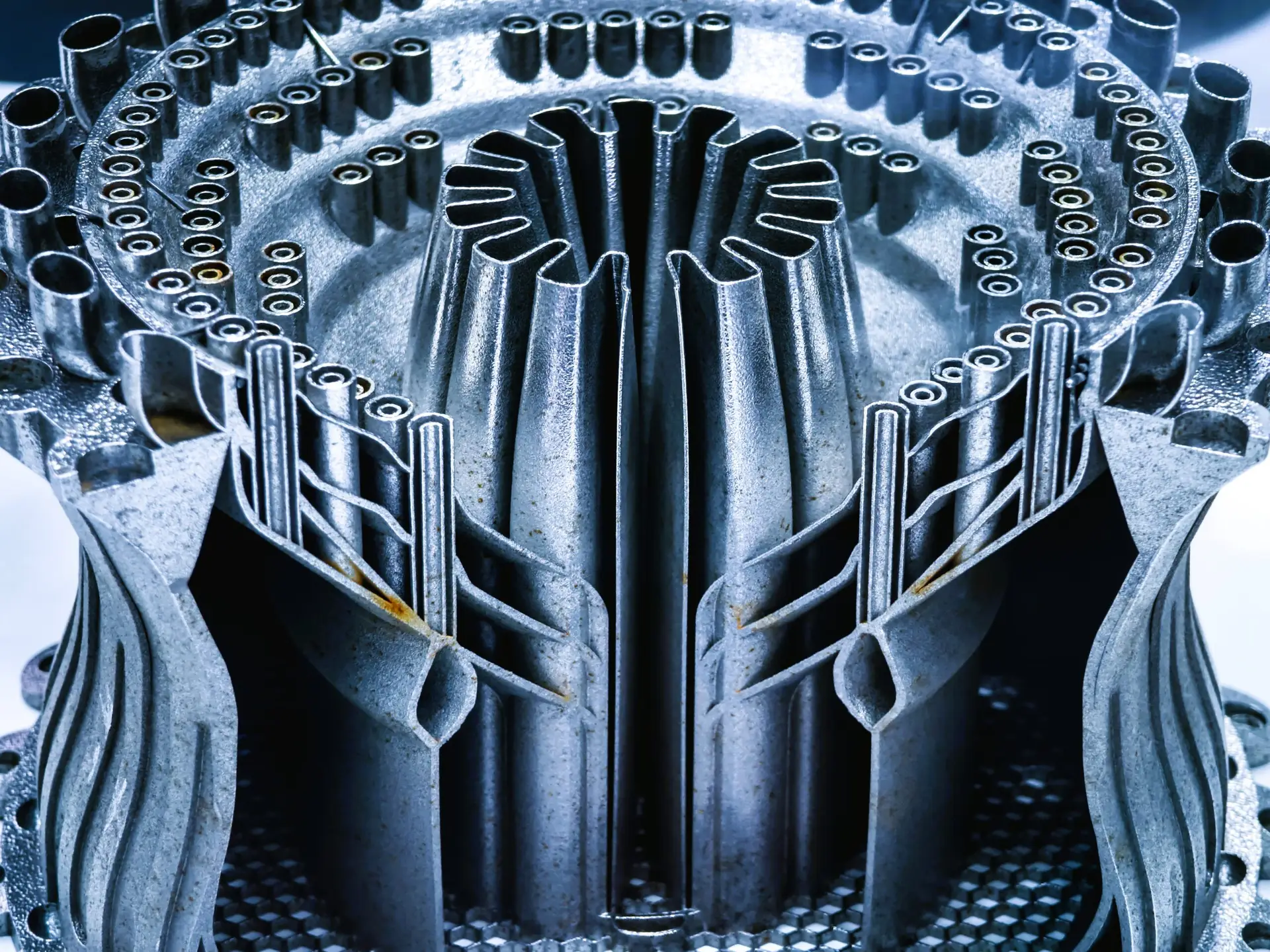
Complex Geometry: Additive manufacturing can produce internal channels, lattice structures, organic shapes, and consolidated assemblies that may be difficult to create using machining or molding.
No Tooling Required: Most 3D printed parts do not require molds, dies, or dedicated cutting fixtures. This can reduce initial cost and shorten the time required to begin production.
Easy Customization: Every part in a production run can be modified without creating new tooling. This makes 3D printing useful for personalized products, replacement parts, medical applications, and specialized industrial components.
Flexible Production Quantities: 3D printing can support a single prototype, a small batch, or recurring production. It can also serve as a bridge while permanent production tooling is being completed.
Part Consolidation: Multiple components can sometimes be combined into one printed part. This may reduce assembly time, simplify inventory, and eliminate potential failure points.
Common Applications
Industrial 3D printing is used across many industries for:
Appearance and fit check models
Functional prototypes
Assembly fixtures
Inspection tools
Jigs and manufacturing aids
Custom brackets and enclosures
Replacement parts
Lightweight structures
Internal fluid or air channels
Low volume end use components
Bridge production
Design validation
When Should You Consider 3D Printing?
3D printing may be a strong option when you need parts quickly, have a complex design, want to test several revisions, or need quantities that do not justify production tooling.
CNC machining may be more appropriate when a part requires a specific solid material, exceptionally tight tolerances, or a machined surface finish. Injection molding often becomes more economical when production quantities are large enough to justify tooling.
The best process depends on the design, material, quantity, tolerances, schedule, and intended use of the part.
From Prototype to Production
3D printing has developed far beyond basic concept models. Modern industrial systems can produce accurate, durable, and repeatable components for testing and end use applications.
Flatout Manufacturing supports multiple industrial printing processes, engineering materials, and finishing options. Our team reviews your design, recommends an appropriate process, and helps balance performance, cost, and production time.
Ready to turn your CAD model into a physical part? Submit your project details and files to receive a manufacturing review and quote.