Advantages of 3D Printing
3D printing has become an important manufacturing option for engineers, product developers, and companies that need quality parts without the time and expense of traditional tooling. It can produce everything from early concept models to functional prototypes and production ready components.
By building parts directly from digital CAD files, 3D printing gives teams greater flexibility, faster design cycles, and access to complex geometries that may be difficult to produce using conventional manufacturing methods.
Faster Prototyping
One of the primary advantages of 3D printing is speed. Traditional processes may require custom tooling, fixtures, or extensive machine setup before the first part can be produced. Most printed parts can move directly from an approved CAD model into production.
Faster prototyping allows product teams to evaluate designs sooner, identify potential problems, and make improvements before committing to a larger production run.
More Design Iterations
Product development rarely ends with the first design. Dimensions may need to change, features may require reinforcement, or the shape may need adjustment after physical testing.
With 3D printing, a revised CAD file can be used to create another version without producing new tooling. This makes it practical to test several design variations and compare them before selecting the final design.
Functional Prototypes
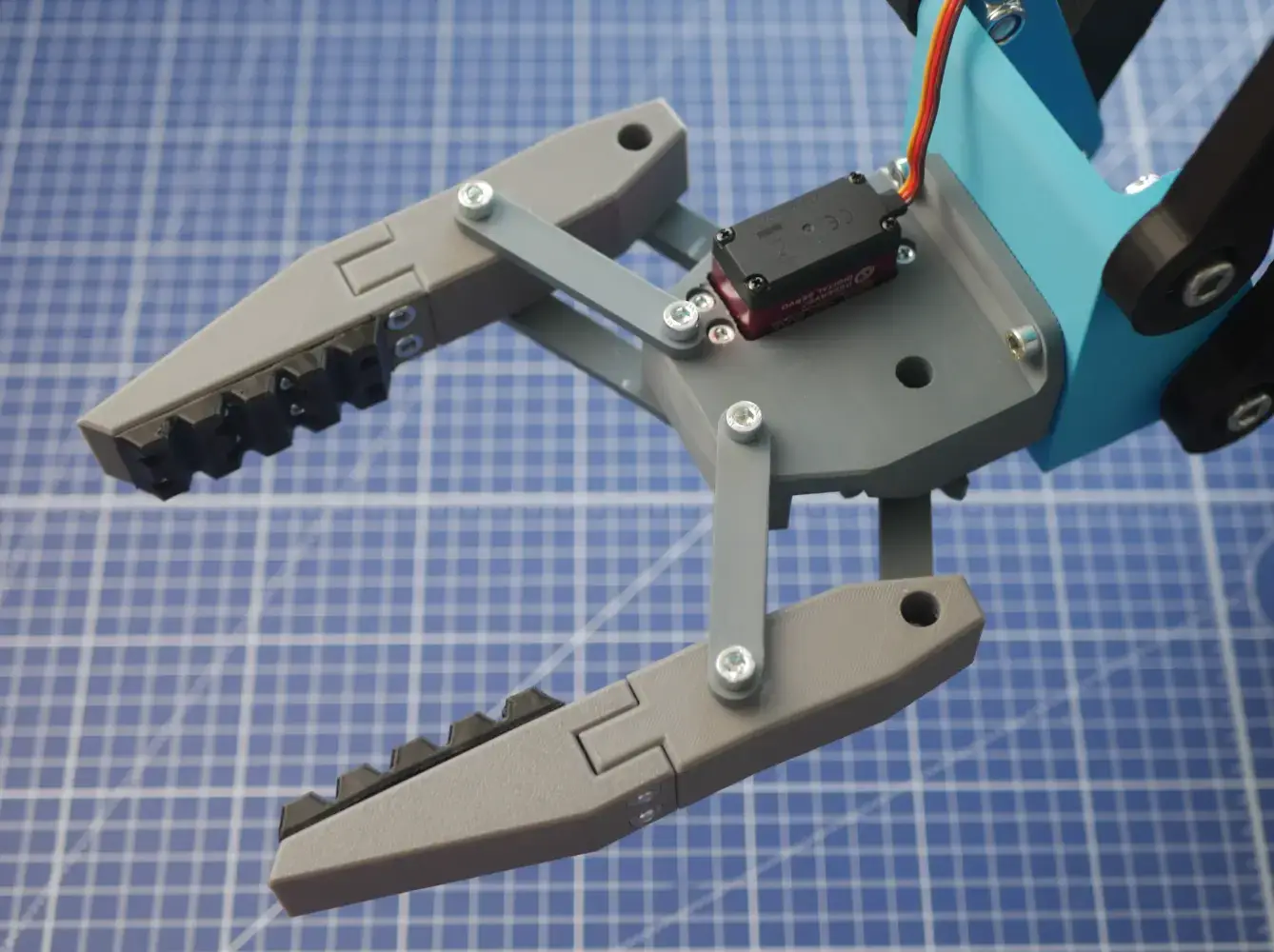
Modern industrial 3D printing can produce prototypes that closely resemble the final product in appearance and function. Depending on the selected process and material, printed components can be used for:
Fit and assembly checks
Functional testing
Ergonomic evaluation
Customer presentations
Design validation
Field trials
Production planning
Testing a physical component can reveal issues that may not be obvious in a digital model. Engineers can evaluate clearances, movement, accessibility, and overall performance before investing in production tooling.
Complex Geometry
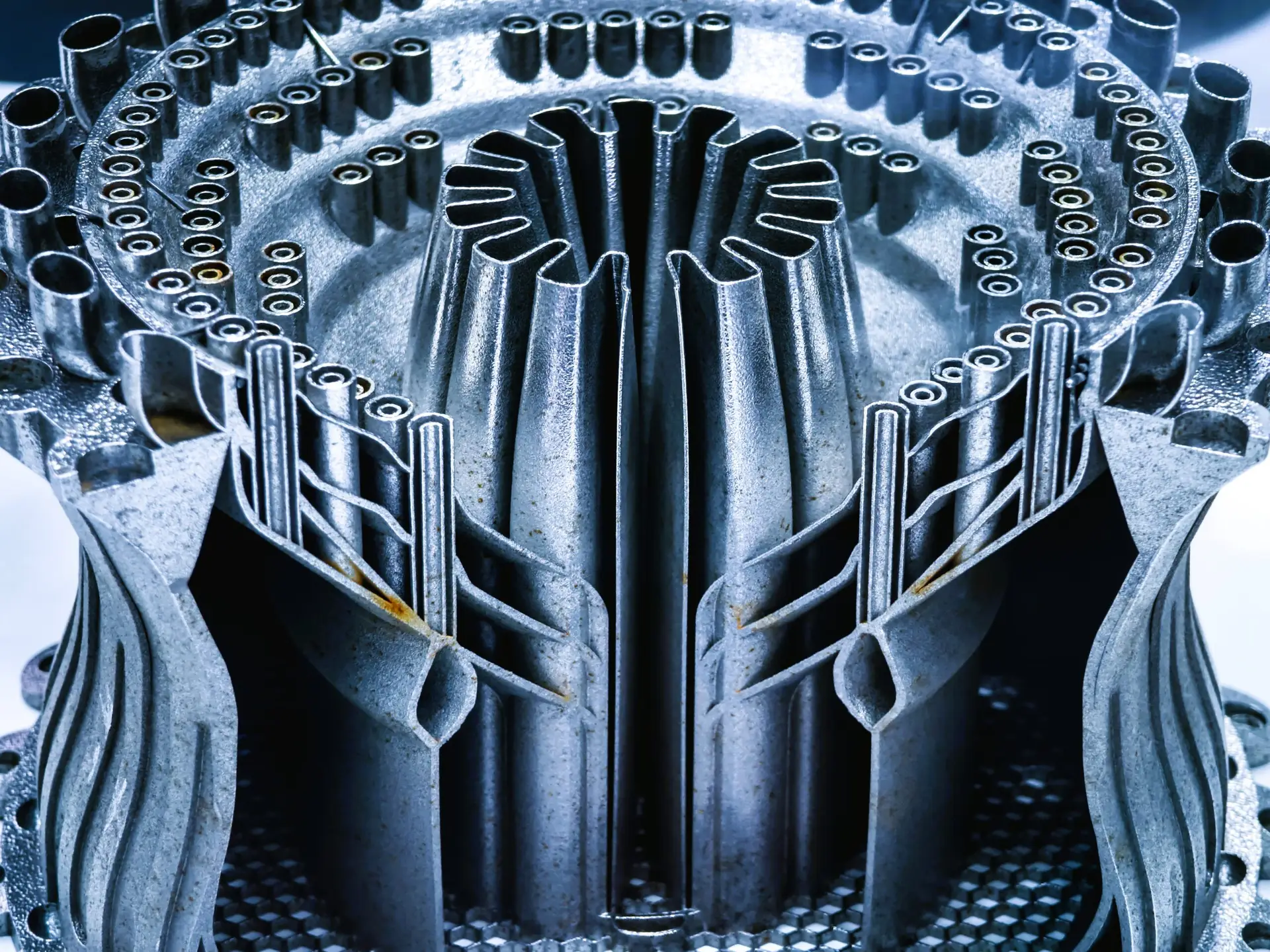
Because parts are built one layer at a time, 3D printing can create shapes that are difficult or impossible to manufacture using traditional methods.
Examples include:
Internal channels
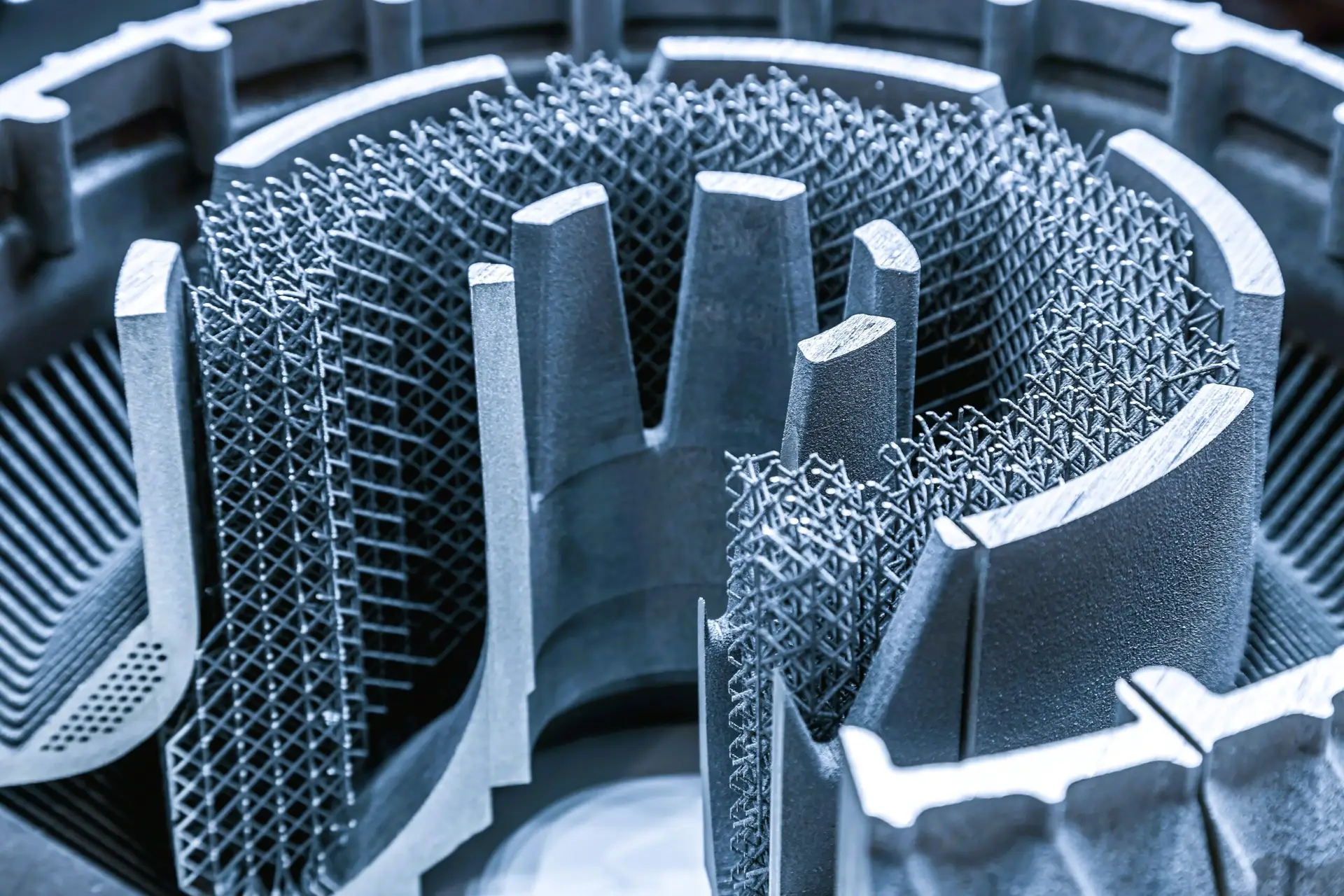
Lattice structures
Organic shapes
Lightweight internal features
Curved passages
Consolidated assemblies
Intricate internal details
This design freedom allows engineers to optimize parts for performance instead of limiting the design around a specific manufacturing process.
No Custom Tooling
Most 3D printed parts do not require molds or dedicated production tooling. Eliminating tooling can reduce initial project costs and shorten the time required to receive the first parts.
This makes 3D printing especially valuable for:
Early product development
Small production quantities
Custom components
Replacement parts
Bridge production
Products with changing designs
Lower Risk During Development
Making design changes after production tooling has been completed can be expensive. Printing and testing prototypes before committing to tooling helps reduce that risk.
Teams can confirm important details such as:
Part dimensions
Assembly clearances
Fastener locations
Material behavior
Surface appearance
User interaction
Overall functionality
Finding and correcting problems early can prevent costly changes later.
Flexible Production Quantities
3D printing can support a single prototype, a small group of test parts, or a recurring production order. Companies can order the quantity they currently need without purchasing a large inventory.
This flexibility is useful for startups, custom products, replacement components, pilot programs, and products with unpredictable demand.
Material Options
Industrial 3D printing supports a wide range of materials with different mechanical and visual properties. Available options may include:
Standard thermoplastics
Engineering nylon
Flexible materials
Photopolymer resins
Glass filled polymers
Carbon fiber reinforced materials
High temperature polymers
Aluminum
Stainless steel
Titanium
The best material depends on the part’s strength, flexibility, temperature resistance, chemical exposure, appearance, and operating environment.
Part Customization
Since each part is produced directly from a digital file, designs can be customized without creating different tooling for every variation.
This makes it easier to produce:
Personalized products
Application specific fixtures
Custom enclosures
Replacement parts
Patient specific medical components
Components for specialized equipment
Part Consolidation
A design that originally requires several components may sometimes be combined into a single printed part. Part consolidation can reduce assembly time, decrease the number of fasteners, simplify inventory, and remove potential failure points.
The design must still account for maintenance, inspection, and material requirements, but consolidation can create a simpler and more efficient final product.
Reduced Material Waste
Traditional machining removes material from a larger block to create the final shape. Additive manufacturing places material only where it is needed, although supports and unused powder may still require handling or recycling.
For some geometries, this approach can reduce material waste and make expensive materials more practical.
Bridge Production
3D printing can provide usable components while production tooling is being designed or manufactured. This is often called bridge production.
Bridge production allows companies to begin testing, fulfill early orders, collect customer feedback, or support a product launch while preparing for a larger manufacturing run.
Choosing the Right Printing Process
Each industrial printing process offers different benefits. SLA provides smooth surfaces and fine details. SLS and MJF produce strong polymer components with complex geometry. FDM offers practical options for large prototypes and functional parts. SLM creates dense metal components for demanding applications.
The correct process depends on:
Intended use
Material requirements
Part geometry
Required tolerances
Surface finish
Quantity
Budget
Delivery schedule
Industrial 3D Printing With Flatout
Flatout Manufacturing helps customers select the appropriate printing process and material for each project. Our team reviews your CAD files and considers geometry, strength, appearance, quantity, and application requirements before production begins.
Whether you need one engineering prototype or a repeatable production run, we can help you move from digital design to finished parts with clear communication and reliable support.
Upload your CAD files to receive a manufacturing review and quote for your next 3D printing project.