How Industrial 3D Printing Is Being Used in Automation and Robotics
Robotics and automation move fast, and industrial 3D printing has become one of the primary reasons why. The ability to go from CAD to a functional part in days (with geometry that would be impossible or impractical to machine) has made additive manufacturing a core tool in how these systems get built. Here's where industrial 3D printing for automation and robotics is being used.
End Effectors and Grippers
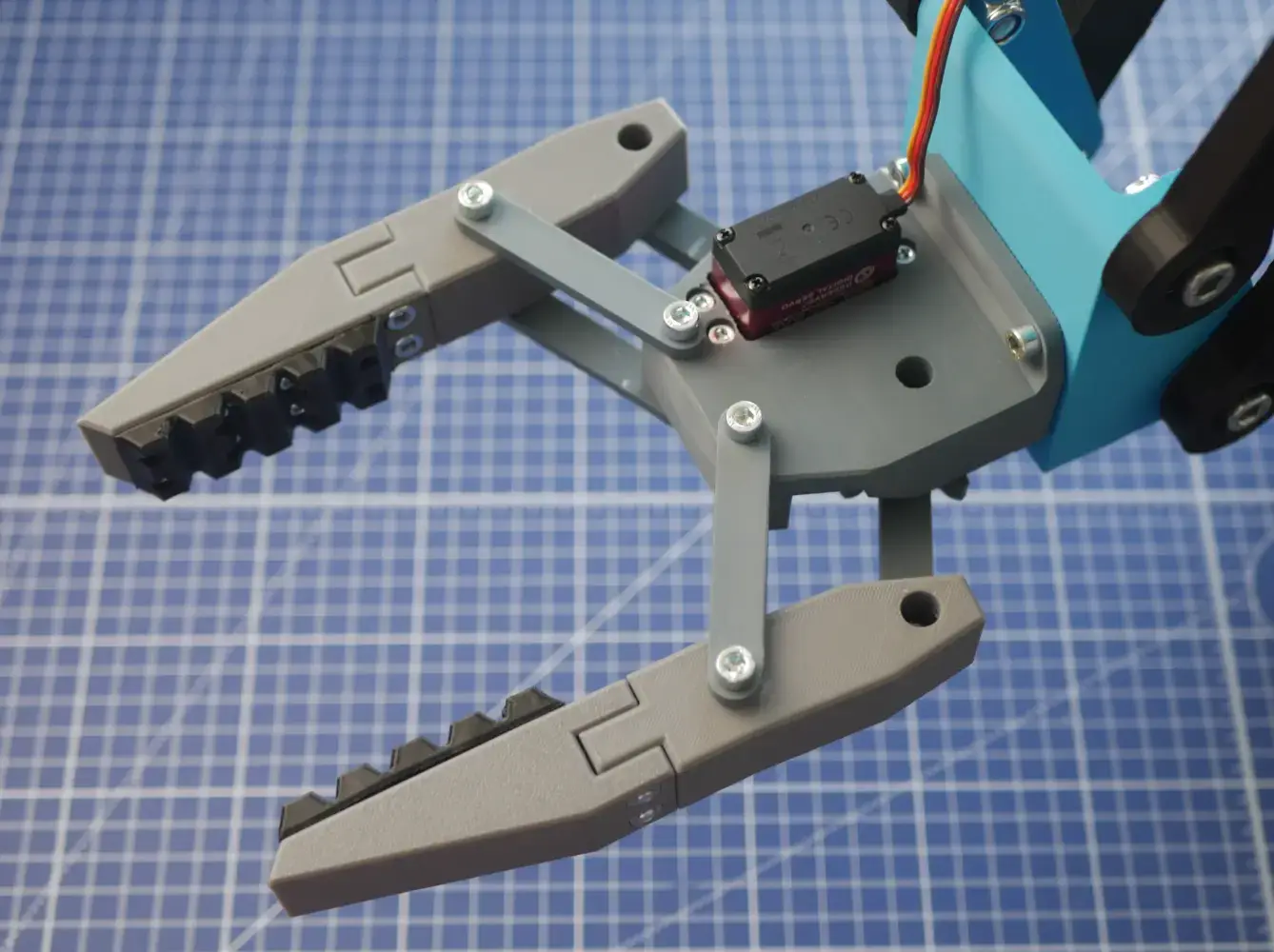
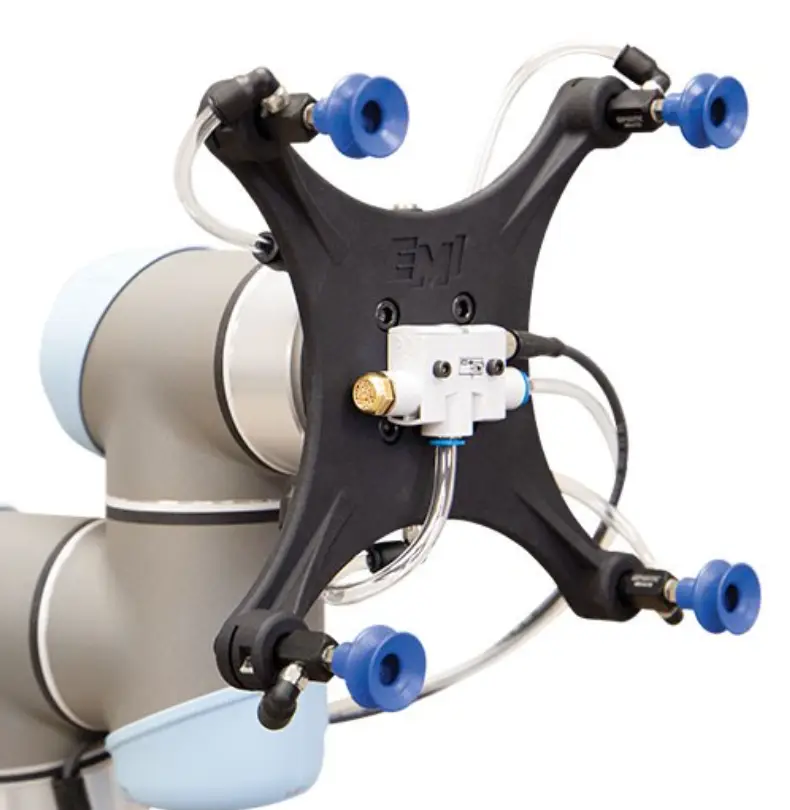
The "hand" of a robot is almost always custom to its task, and that makes it ideal for printing. Custom grippers, suction-cup manifolds, and soft compliant fingers can be designed for a specific part and printed in days. When the gripped part changes, you print a new effector instead of re-machining — iteration measured in days, not weeks.
Sensor Mounts and Brackets
Every camera, lidar, proximity sensor, and encoder needs a mount, and those mounts are almost never off-the-shelf. Printing lets engineers position sensors precisely and adjust the mount as the design evolves, without machining cost for what's usually a non-structural part.
Cable Routing and Management
Moving robots create constant cable flex and chafe. Printed cable guides, drag-chain adapters, and routing channels keep wiring organized and protected, and can be tailored to the exact path a given machine needs — a small detail that prevents real downtime.
Enclosures and Housings
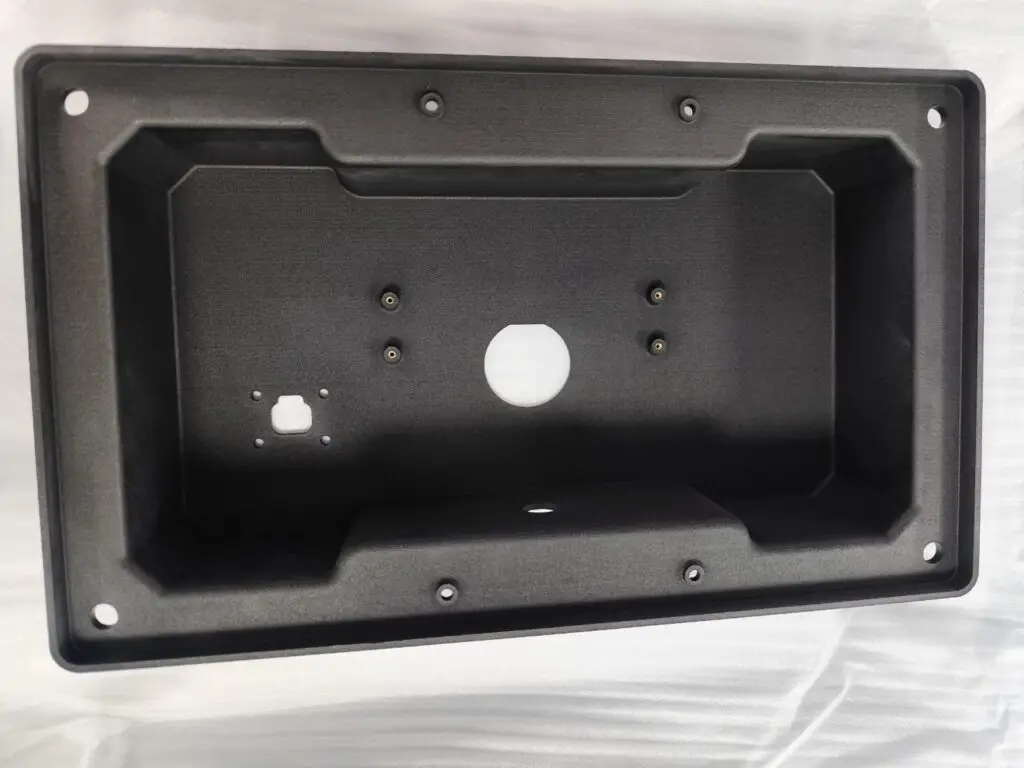
Control boxes, sensor housings, and protective covers print as single complex parts with integrated mounting features, vents, and cable pass-throughs. For the low quantities typical of automation equipment, printing beats tooling up for molded enclosures.
Custom Fixtures and Jigs
This is one of the highest-value uses of additive in a production environment. Assembly fixtures, alignment jigs, and inspection gauges can be printed overnight, tested on the line, and revised the next day. Tooling that once took weeks to machine now iterates daily — directly improving throughput and quality.
Rapid Iteration: The Real Advantage
The thread through all of these is iteration speed. A robotics team can test a design Monday, hold the revised part Wednesday, and lock it Friday. That compression of the design loop is what lets hardware startups move at software speed — and it's why additive has become structural to how modern automation gets developed, not just a prototyping novelty.
Build Your Robotics Parts With a Partner Who Gets It
We work with automation and robotics teams to turn fast-moving designs into real parts — printed end effectors, fixtures, mounts, and enclosures, plus machined and metal-printed components when the application calls for them. One partner across every process your build needs.