When CNC Machining Beats 3D Printing (And When It Doesn't)
"Should I machine this or print it?" is one of the most common questions we get, and the honest answer is: it depends on the part. 3D printing didn't replace CNC machining — it gave engineers a second tool, and knowing which one to grab for a given part is what separates a cheap, fast program from an expensive, slow one.Instead of talking in abstractions, let's walk through real part types and call the winner for each.
What Each Process Is Actually Good At
CNC machining gives you real material properties, tight tolerances, and a production-grade finish. 3D printing gives you geometric freedom, speed on complex shapes, and no tooling or fixturing setup. The decision usually comes down to which of those advantages your specific part actually needs.
Brackets
Winner: Usually CNC.
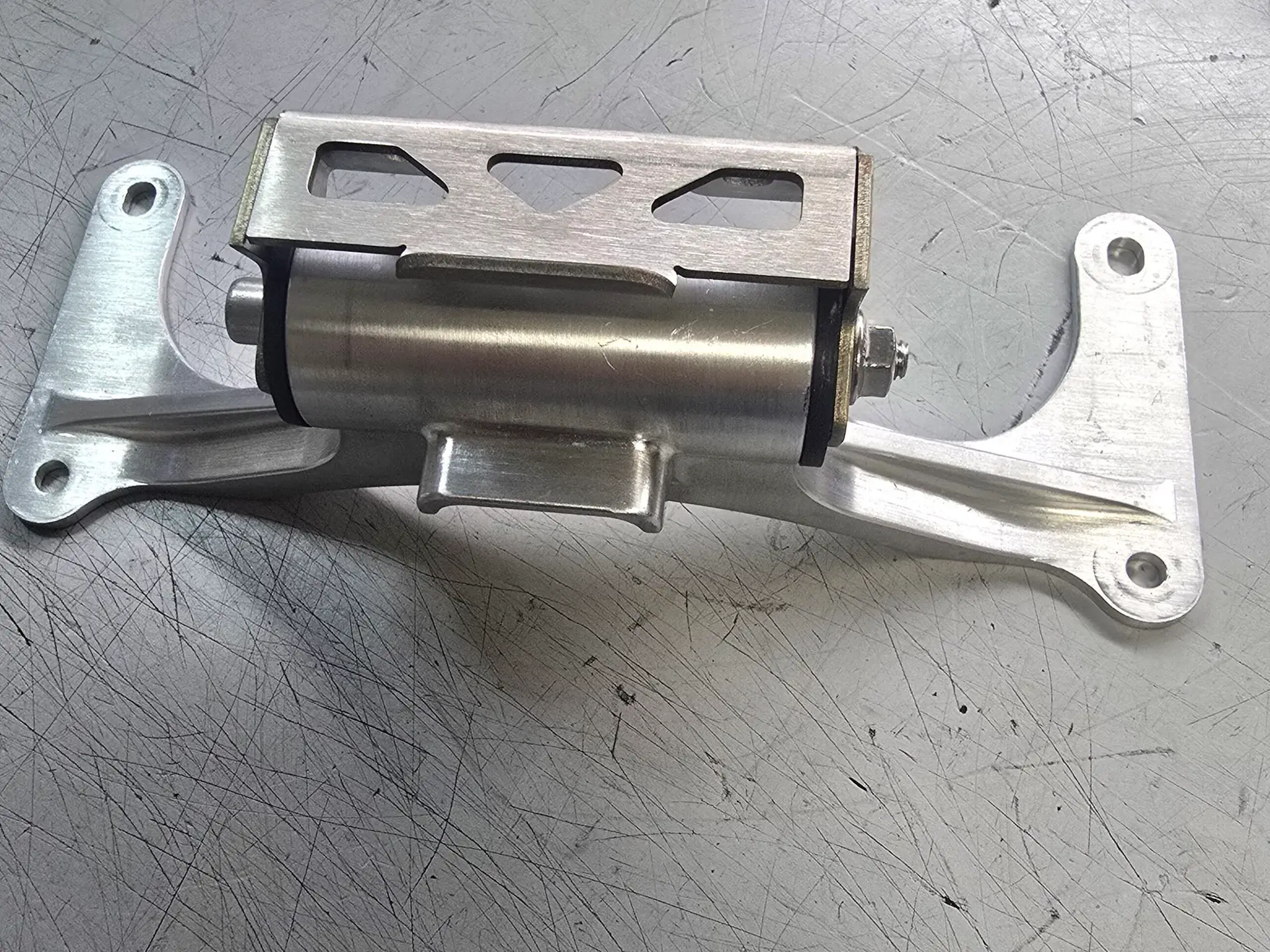
A structural bracket sees load. If it's holding a motor, a sensor array, or anything that matters, you want isotropic material strength and predictable mechanical behavior, which machined aluminum gives you and a printed plastic part doesn't. The exception: a non-structural mounting bracket for early fit-checks prints fine and saves you money. If it carries load in the final product, machine it.
Enclosures
Winner: Depends on quantity and finish.
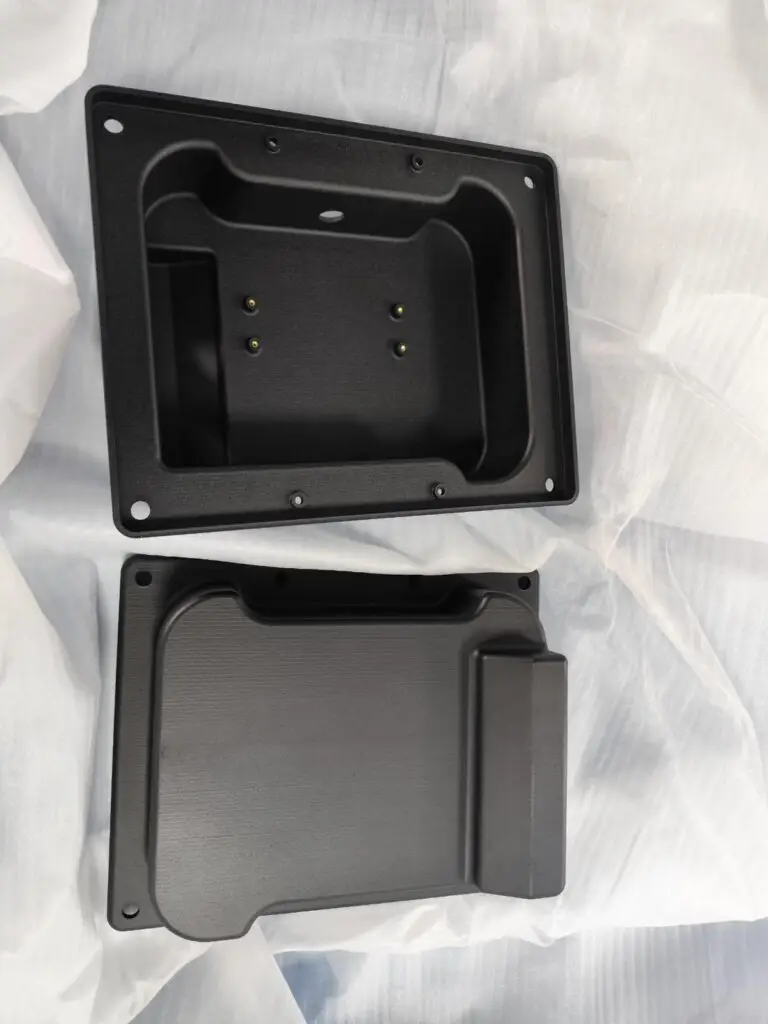
For one or two functional enclosures with snap fits and internal ribs, SLS printing wins — you get the complex geometry in one piece with no tooling. For an enclosure that needs a clean cosmetic surface or production plastic, machining (or eventually molding) makes more sense. Quantity is the tiebreaker: a handful, print it; dozens with a nice finish, machine it.
Robotic Components
Winner: Mixed — and that's the point.
A robot is the perfect example of using both. End effectors and custom grippers with organic geometry? Print them. The structural arm segments and precision mounting plates that need tight tolerances and stiffness? Machine them. Smart robotics companies run mixed-process builds, and a good manufacturing partner coordinates both through one qualified partner network, so you’re not juggling multiple vendors.
Automotive Parts
Winner: Usually CNC or metal AM — rarely plastic printing.
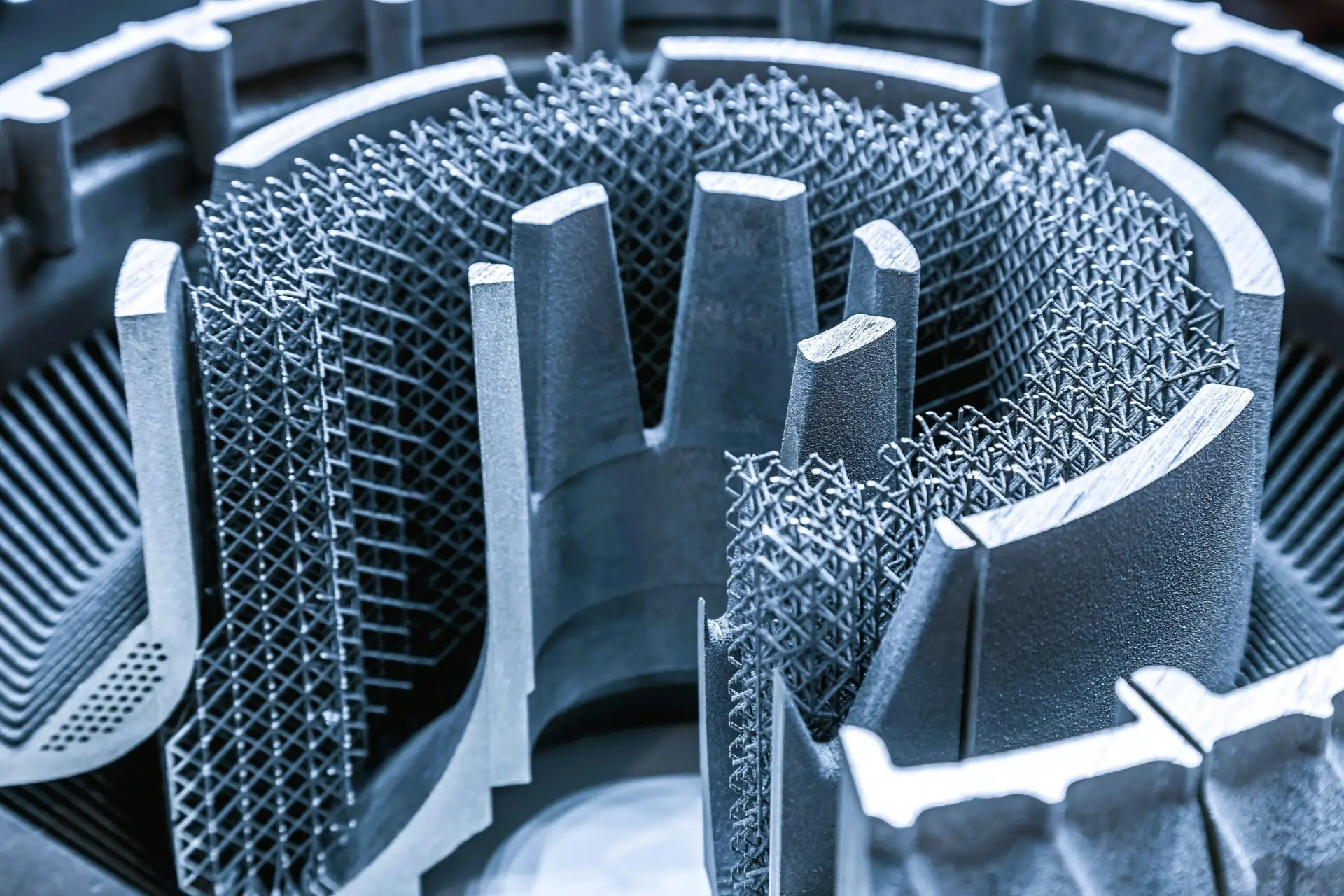
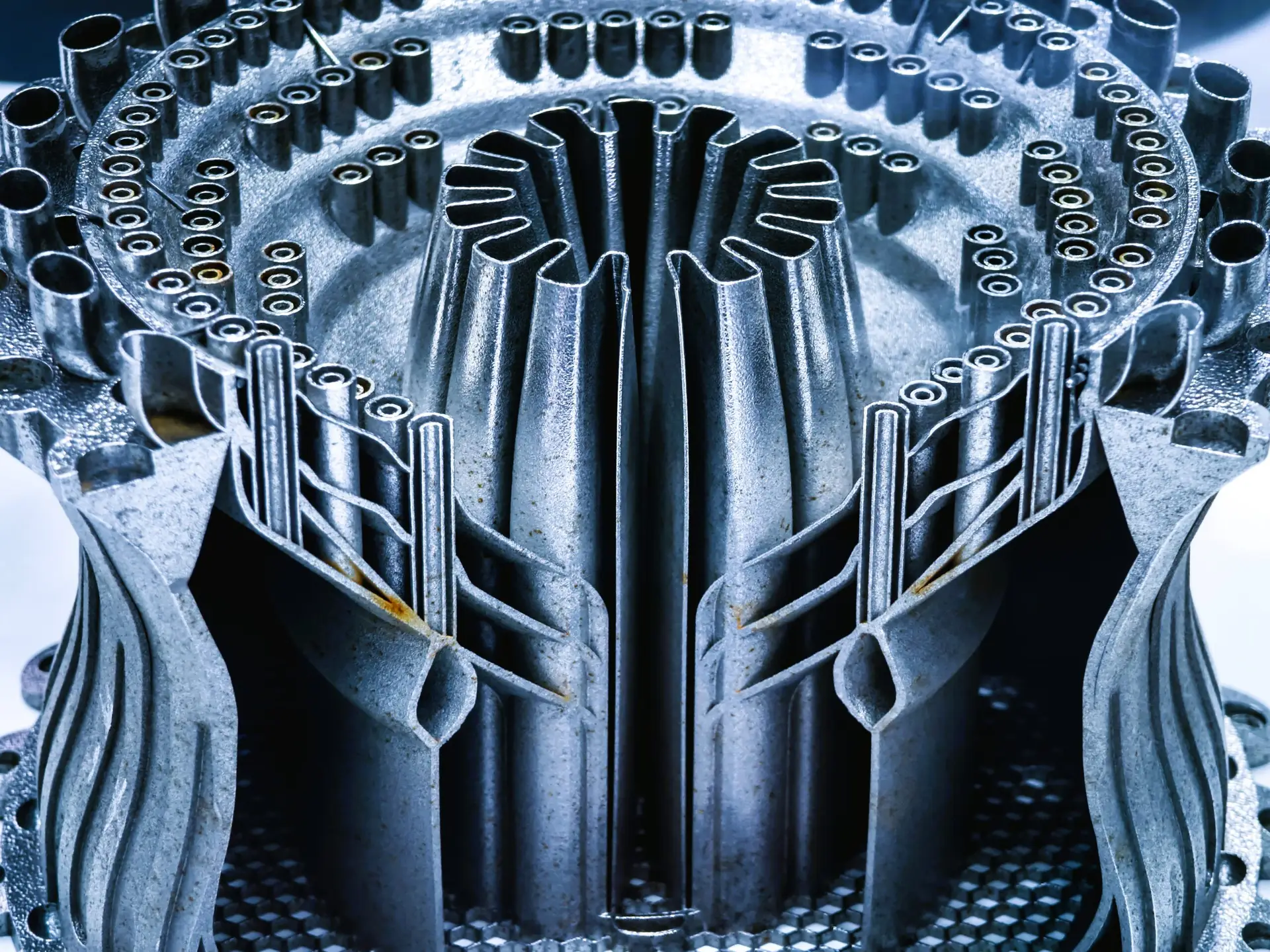
Under-hood and drivetrain parts see heat, vibration, and load that most printed plastics can't survive. Functional automotive prototypes lean toward machined metal, or metal 3D printing when the geometry demands it — like internal cooling or fluid passages you can't machine. Plastic printing has its place for interior trim mockups and fit models, but for anything that gets hot or carries load, it's metal.
The Honest Rule of Thumb
Reach for CNC machining when the part needs tight tolerances, real material strength, heat resistance, or a production finish. Reach for 3D printing when the part has complex geometry, needs to exist fast and cheap, is going through rapid iteration, or would be impossible to machine. Most real products use both at different stages — the skill is matching the process to the part, not picking a team.
Not Sure Which Your Part Needs?
Send us your CAD and we'll tell you straight — machine it, print it, or some of both. Through our qualified manufacturing partner network, we support CNC machining, plastic and metal 3D printing, and injection molding. That breadth allows us to recommend the process that best fits your part, requirements, volume, and budget.